
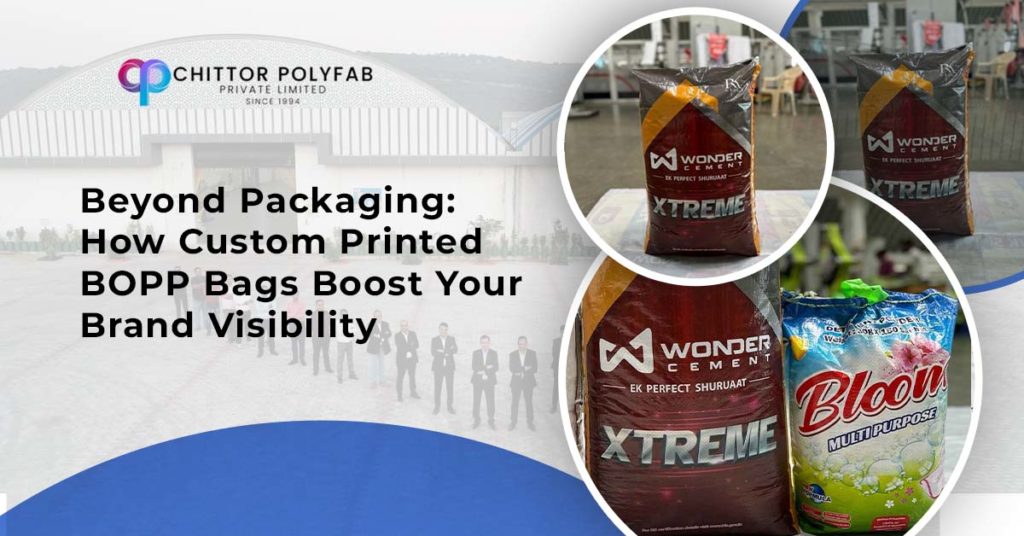
1. Packaging That Markets While It Protects
Packaging is no longer just a protective outer layer. In competitive retail and distribution environments, it functions as a silent salesperson. For manufacturers, exporters, FMCG brands, and private label businesses, visibility on the shelf often determines purchase decisions within seconds.
Custom printed BOPP bags combine durability with high-impact branding. The material offers structural strength and moisture resistance, while advanced printing techniques allow vibrant colors, sharp imagery, and consistent brand representation across large production volumes. When businesses invest in strategically designed custom printed BOPP bags, packaging transforms into a powerful marketing asset rather than a basic containment solution.
This article explores what makes BOPP bags technically superior, why brands prefer them, and how customization directly improves brand visibility in domestic and international markets
2. What Are BOPP Bags and Why Brands Prefer Them
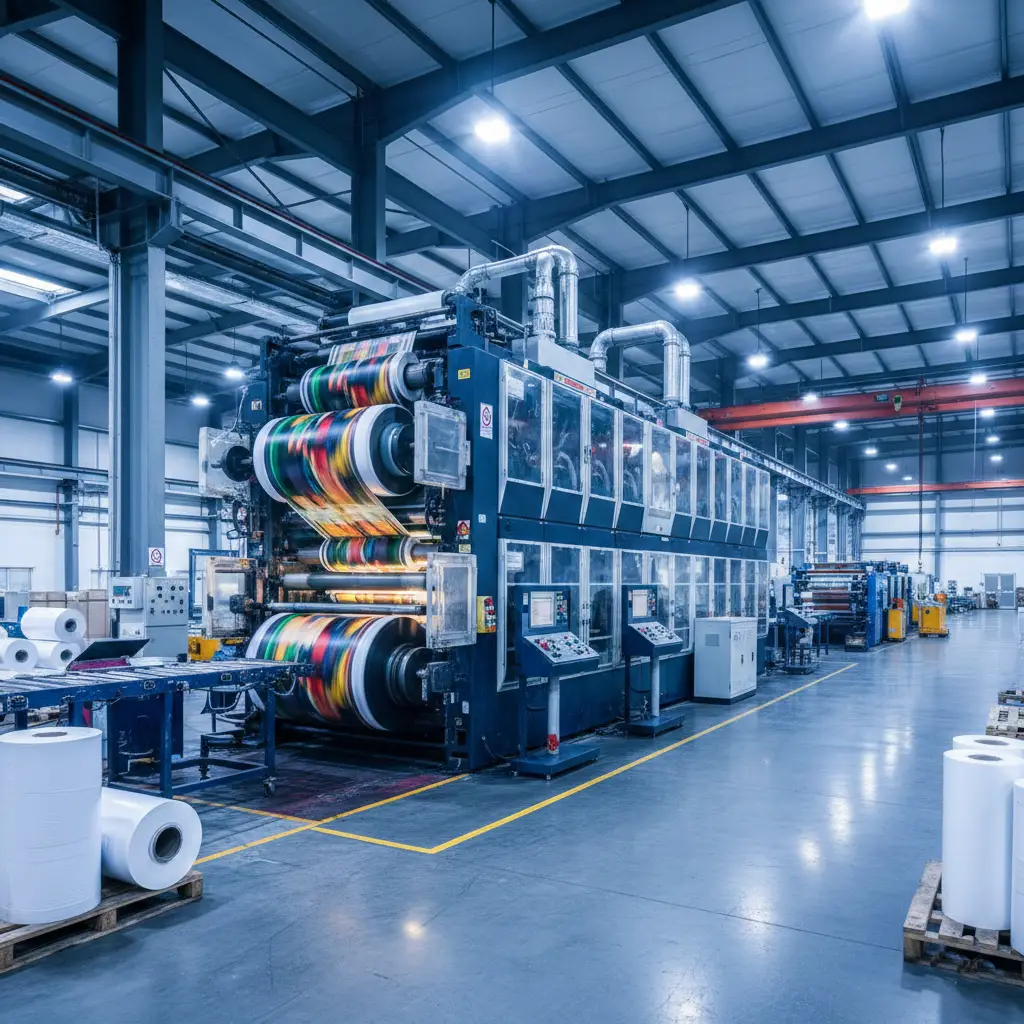
BOPP stands for Biaxially Oriented Polypropylene. The film is stretched in both machine and transverse directions during manufacturing, increasing tensile strength, clarity, and barrier performance. This orientation enhances durability while maintaining lightweight properties, making BOPP bags suitable for industries such as food grains, fertilizers, pet food, animal feed, and retail packaging.
One of the major advantages of BOPP bags is moisture resistance. Products such as rice, flour, seeds, and processed food remain protected against humidity and environmental exposure. The film also provides strong puncture resistance, which reduces transit damage and product loss.
From a branding perspective, the smooth surface of BOPP film allows high-definition printing. Colors appear more vibrant compared to standard woven sacks, and finishes such as gloss or matte lamination enhance visual appeal. Unlike plain woven packaging, BOPP bags support photo-quality graphics and detailed product information without distortion.
Cost efficiency is another reason brands prefer this material. Although initial customization may involve cylinder or plate setup charges depending on the printing method, large production runs significantly reduce per-unit cost. This makes BOPP bags ideal for brands scaling distribution across multiple regions.
3. Why Custom Printing on BOPP Bags Strengthens Brand Visibility
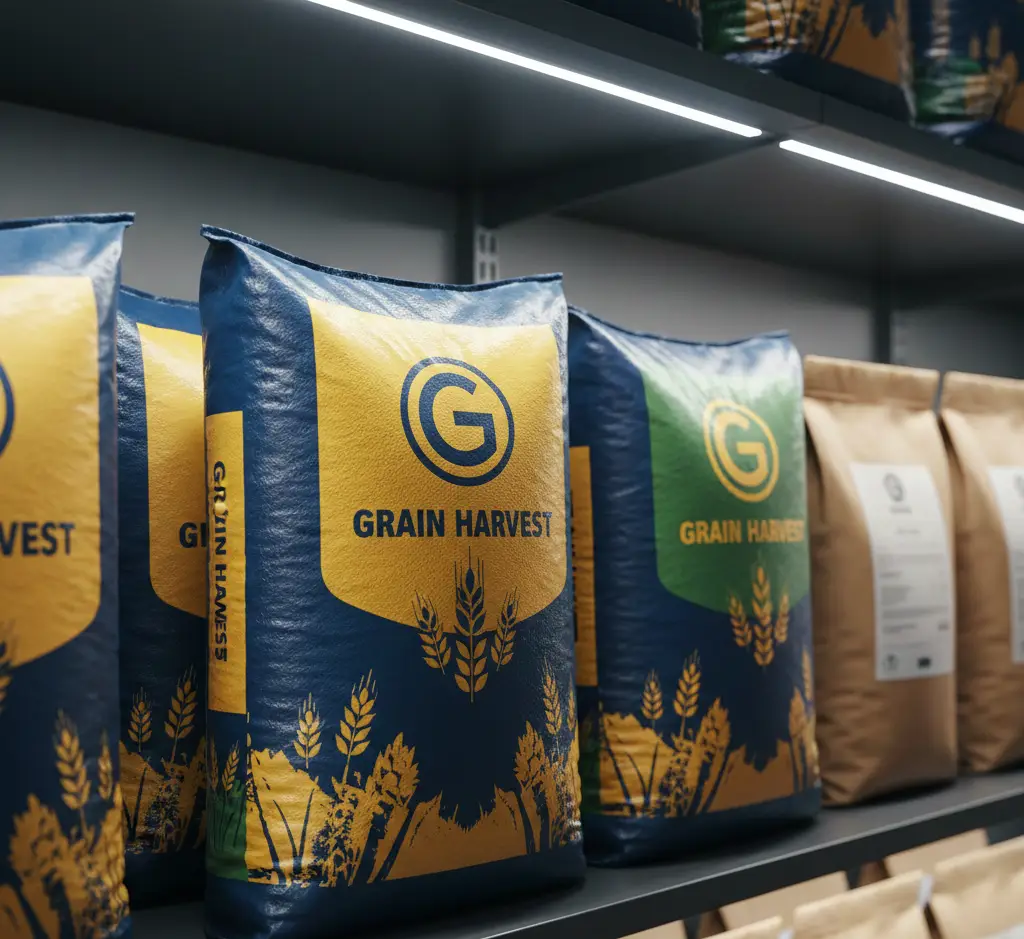
In crowded marketplaces, differentiation becomes critical. Custom printing enables businesses to communicate brand identity, product quality, and compliance details directly on the packaging surface. High-resolution graphics, consistent logo placement, and strong color reproduction ensure that packaging remains recognizable across retail outlets and distribution chains.
Visual consistency builds trust. When customers repeatedly encounter the same design elements, typography, and color palette, brand recall improves. Custom printed BOPP bags also provide space for certifications, usage instructions, QR codes, and export information, which enhances credibility in both domestic and global markets.
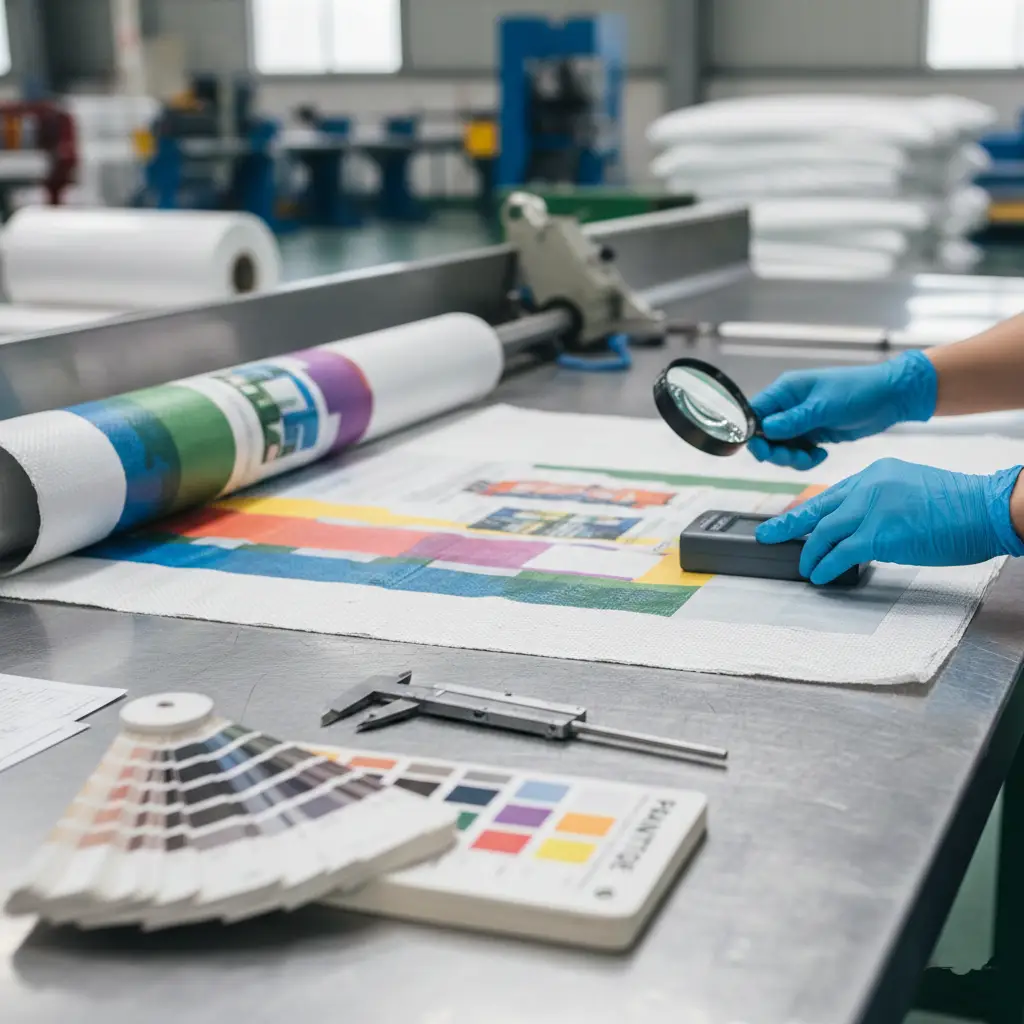
Advanced printing methods such as rotogravure deliver precise color matching and detailed imagery, making them suitable for long production runs where brand uniformity is critical. For growing manufacturers and exporters, this level of print quality directly contributes to shelf impact, distributor confidence, and perceived product value without compromising durability or protection.
4. Printing Technologies Compared: Rotogravure vs Flexography vs Digital
Selecting the right printing method directly influences color accuracy, cost efficiency, and turnaround time. Each technology serves different production needs.
Rotogravure printing is widely preferred for large-volume orders requiring consistent, high-definition output. It uses engraved cylinders that transfer ink with exceptional precision. This method produces rich colors, smooth gradients, and fine detailing. For export-grade packaging and established brands running high quantities, rotogravure typically delivers the most uniform results across batches. Initial cylinder costs are higher, but the per-unit cost decreases significantly at scale.
Flexographic printing uses flexible relief plates and is more economical for medium runs. It offers faster setup times and lower initial investment compared to rotogravure. While modern flexo presses produce strong results, extremely fine gradients or photographic detail may not match gravure-level sharpness. For regional distribution or moderate quantities, flexography can be a practical choice.
Digital printing eliminates plates and cylinders entirely. It is best suited for short runs, pilot launches, or design testing. Setup is quick, and artwork changes are easy. However, the cost per unit remains higher for bulk production, making it less suitable for large-scale distribution.
For manufacturers targeting national or international markets with consistent branding requirements, rotogravure is generally recommended due to superior color stability and scalability. Businesses launching new SKUs in smaller quantities may consider flexographic or digital solutions depending on budget and speed requirements
5. Design and Artwork Specifications That Ensure Print Accuracy
Even the best printing technology cannot compensate for poor artwork preparation. Proper file setup prevents color variation, misalignment, and costly reprints.
Artwork files are typically required in high-resolution vector formats such as AI, EPS, or press-ready PDF. Raster images should maintain a minimum resolution of 300 DPI to avoid pixelation. Color settings must be prepared in CMYK mode, and where exact brand shades are essential, Pantone references should be clearly defined.
Bleed areas and safe margins are critical. Designers should extend artwork slightly beyond trim lines to avoid white edges during cutting. Important text and logos must remain inside safe zones to prevent trimming errors.
Font handling is another frequent issue. All fonts should be outlined or converted to curves before submission to eliminate compatibility problems. Additionally, it is advisable to request a digital proof and, when possible, a physical sample before full-scale production.
A structured artwork checklist helps streamline communication between brand teams and manufacturers. Clear approval stages reduce delays and ensure that the final printed BOPP bags reflect the intended design accurately
6. Packaging Decisions That Influence Branding Return on Investment
Beyond printing, material and finishing choices impact both perception and profitability. The thickness of the woven base fabric, lamination quality, and surface finish all contribute to durability and visual appeal.
Gloss lamination enhances color vibrancy and shelf shine, making products stand out in retail environments. Matte finishes create a premium, sophisticated appearance often preferred for specialty or export products. Additional enhancements such as spot varnish or metallic accents can elevate perceived value without dramatically increasing costs when produced in volume.
Barrier properties also affect ROI. For moisture-sensitive goods, stronger lamination reduces spoilage and product returns. Lower damage rates translate directly into cost savings across logistics chains.
When evaluating investment, brands should calculate total lifecycle cost rather than focusing only on upfront printing expenses. A slightly higher initial packaging cost that improves shelf impact, reduces transit losses, and strengthens brand recognition can generate significantly greater long-term returns. Strategic packaging decisions therefore function not only as operational expenses but as revenue-driving investments.
Supplier Selection Checklist and Key Contract Considerations
Choosing the right manufacturing partner directly affects print quality, delivery timelines, and long term brand consistency. A structured evaluation process helps reduce operational risk and protect brand reputation.
Begin by assessing printing infrastructure. Confirm whether the manufacturer operates in house rotogravure or flexographic lines. Request physical samples from previous bulk production runs to evaluate color accuracy, registration precision, and lamination quality. Consistency across repeat batches is essential for brand uniformity.
Quality control systems must be clearly defined. Reliable manufacturers follow staged inspection processes including raw material testing, pre press proof approval, in process monitoring, and final dispatch verification. Clarify acceptable tolerance limits for color variation, alignment accuracy, and sealing strength.
Operational capacity is equally important. Production lead times, minimum order quantities, and scalability for future expansion should align with projected distribution goals. Export oriented businesses must verify compliance documentation where required for international shipments.
Contract terms need to specify artwork ownership, cylinder storage duration, repeat order policies, delivery schedules, payment milestones, and defect replacement conditions. A well drafted purchase agreement safeguards both operational continuity and financial clarity
Compliance, Sustainability and Responsible Packaging Considerations
Regulatory adherence plays a critical role in packaging credibility. For food grade applications, confirm that inks, adhesives, and lamination materials meet relevant safety standards. Documentation and certification records should be available for verification when required by distributors or regulatory bodies.
BOPP bags provide strong moisture resistance and structural durability, which helps extend product shelf life and minimize transit related losses. Reduced product damage directly lowers waste and improves supply chain efficiency.
Sustainability considerations are increasingly important in domestic and international markets. Where feasible, evaluate mono material constructions that support recyclability within existing waste management systems. Environmental claims must remain accurate and supported by recognized testing standards.
Transparent compliance and responsible packaging decisions strengthen brand trust and long term market acceptance
From Concept to First Production Run
A systematic workflow ensures smoother execution and fewer production delays. Clear coordination between brand teams and manufacturers is essential throughout the process.
Step 1: Requirement Definition
Outline bag dimensions, load bearing capacity, finish type, expected annual volume, and target market requirements. Share compliance expectations early to prevent later adjustments.
Step 2: Artwork Preparation and Approval
Submit press ready files according to technical specifications. Review digital proofs carefully for color accuracy and layout alignment. For large volume orders, request a physical sample before final approval.
Step 3: Pre Press and Cylinder Preparation
For rotogravure printing, cylinders are engraved based on approved artwork. This stage determines color stability and consistency for long production runs. Accuracy during this phase influences repeat order reliability.
Step 4: Production and Quality Monitoring
During printing and lamination, in process inspections verify color density, registration precision, and bonding integrity. Final inspection confirms dimensional accuracy and sealing performance before dispatch.
Step 5: Dispatch and Logistics Coordination
Completed bags are bundled and palletized according to shipment specifications. Export consignments require proper documentation and packaging compliance records.
Understanding this workflow enables better inventory planning and reduces supply chain disruptions
Practical Branding Impact Examples
Example 1: Regional Rice Brand Expansion
A rice exporter transitioned from plain woven sacks to high resolution custom printed BOPP bags. Improved shelf presentation enhanced retailer confidence and strengthened distribution reach across multiple regions.
Example 2: Pet Food Brand Premium Positioning
A pet food manufacturer adopted matte laminated BOPP bags with bold graphics and detailed product information. The upgraded packaging reduced transit damage and improved perceived product quality in modern retail environments.
These examples illustrate how strategic packaging upgrades influence visibility, distributor trust, and overall brand positioning.
Request a Sample or Production Quote
Businesses aiming to elevate brand visibility through durable and high definition packaging can request physical samples or obtain a tailored production quotation based on volume, finish, and printing requirements. Evaluating samples allows better assessment of print clarity, lamination strength, stitching quality, and overall structural integrity before committing to bulk manufacturing.
To discuss specifications, pricing, or production timelines, connect directly through our Contact Us page and share your packaging requirements with our team.
Strategic packaging decisions extend far beyond basic containment. When carefully designed and professionally produced, custom printed BOPP bags contribute directly to stronger brand recall, improved distributor trust, and long term market expansion.